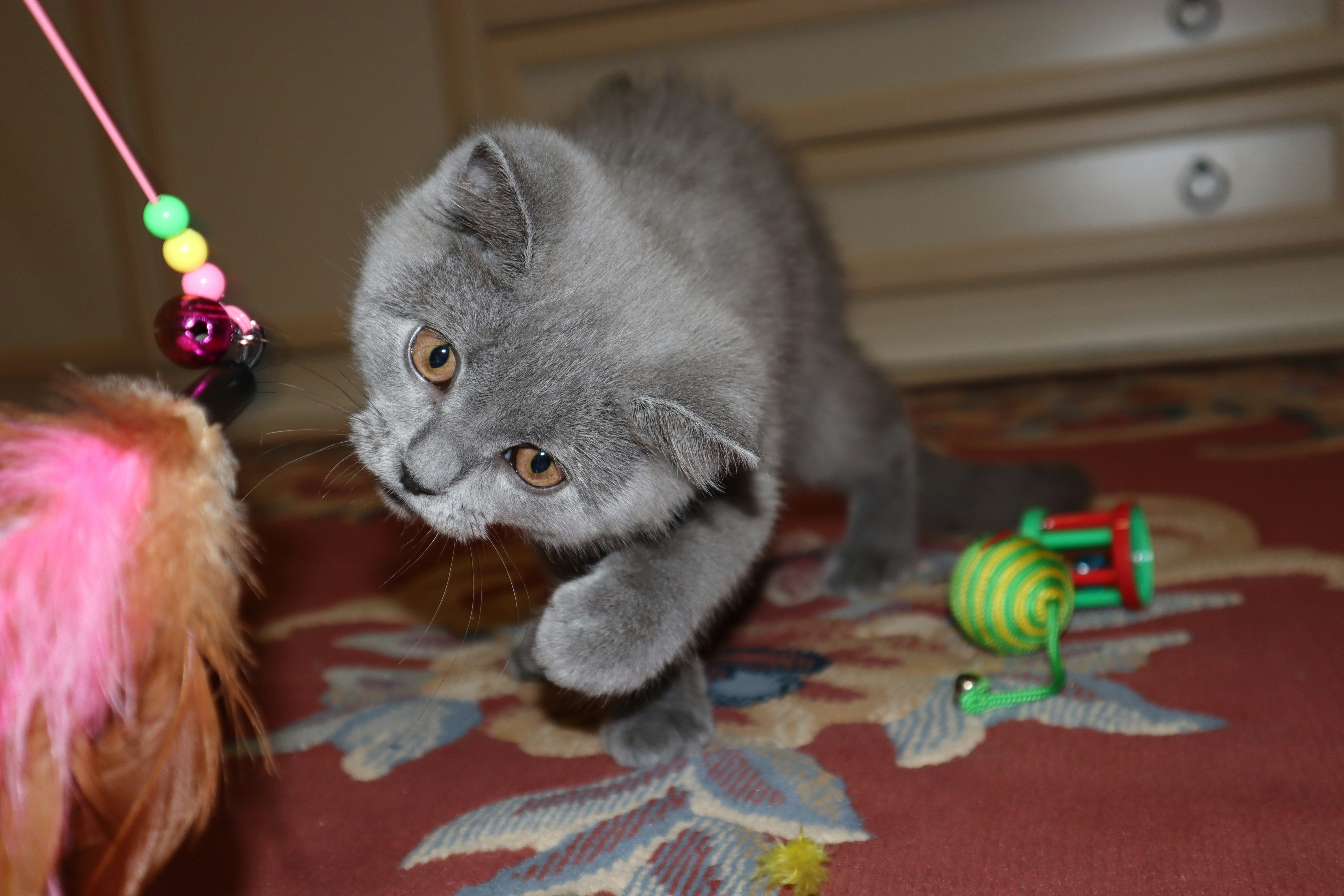
Understanding Your Cat’s Play Behavior
Cats, known for their playful nature, exhibit a wide range of behaviors that reflect their ancestral hunting instincts. Engaging in play is not merely a recreational activity for cats; it plays a critical role in their physical and mental well-being. Through play, cats have the opportunity to practice skills that were essential for their survival in the wild, such as stalking, pouncing, and capturing prey. This imitation of hunting behavior helps maintain their agility, coordination, and overall fitness.
When selecting toys for your cat, it is vital to consider how different types can stimulate their natural instincts. For instance, toys that mimic prey, such as feather wands or small balls, can engage a cat’s hunting instincts effectively. Cats rely on their keen eyesight and swift reflexes to chase after these toys, providing them with necessary exercise. This physical activity is crucial for combating obesity, a common issue among indoor cats.
Moreover, playtime is essential for mental stimulation. Interactive toys or puzzle feeders can challenge a cat’s intellect, encouraging problem-solving and reducing boredom. Cats that are mentally stimulated are less likely to engage in unwanted behaviors, such as scratching furniture or excessive vocalization. Additionally, play acts as a bonding experience between the cat and its owner, facilitating trust and companionship.
In conclusion, understanding the importance of play behavior in cats is crucial for ensuring their happiness and health. By providing engaging toys that align with their natural instincts, cat owners can promote both physical and mental enrichment, ultimately contributing to a more fulfilling life for their feline companions.
Criteria for Choosing Cat Toys
When selecting toys for your cat, several key factors should be taken into account to ensure the best experience for your feline friend. Safety is paramount; ensure that the toy does not contain small parts that can be swallowed or harmful materials, such as toxic substances or sharp edges. Opt for toys designed specifically for cats, made from non-toxic, durable materials. This will not only keep your cat safe but also enhance the overall play value of the toy.
Durability is another critical consideration, as your cat’s natural instincts may lead to vigorous play, requiring toys that can withstand rough handling or aggressive chewing. Look for high-quality construction that can survive daily playtime without losing integrity. Moreover, assess the size of the toys. A suitable size is essential; toys that are too small can pose choking hazards, while oversized toys may not engage your cat effectively, reducing the likelihood of play.
Furthermore, cat toys should stimulate your pet’s curiosity and playfulness. Engaging toys can encourage physical activity, which is vital for maintaining a healthy weight and preventing behavioral issues. Interaction-driven toys such as those that move, make sounds, or have an unpredictable nature are more likely to captivate your cat’s attention.
Finally, it is advisable to observe your cat’s preferences and behavior when choosing toys. Take note of what excites them, whether it’s chasing, pouncing, or batting at objects. This observational insight will guide you in finding toys that align with their natural play style, ensuring a more enriching play experience. Combining safety, durability, size, and engagement will help in selecting the best toys for your cat, enhancing their joy and wellbeing.
Top 5 Toys Recommended for Cats
Selecting the right toys for your feline companion can greatly enhance their playtime and overall quality of life. Here are five top recommendations that cater to different play styles and preferences.
1. Interactive Laser Pointer: One of the most engaging toys available is the interactive laser pointer. It encourages your cat to engage in vigorous exercise as they chase the elusive red dot. This type of toy stimulates their natural hunting instincts, making playtime both fun and beneficial for physical health. Ensure you supervise your cat during play to prevent frustration when the dot disappears.
2. Feather Wand Toys: Feather wands mimic the movement of prey, making them irresistible to cats. By gently waving the wand, you can simulate the flight of a bird, encouraging your cat to leap and pounce. These toys are excellent for joint play, allowing owners to bond with their pets while providing mental stimulation and physical exercise.
3. Puzzle Feeders: Puzzle feeders are an excellent choice for stimulating your cat’s problem-solving skills. These toys require your cat to figure out how to access the food or treats hidden inside, promoting mental engagement. They are particularly beneficial for overweight cats, as they encourage a slower eating pace and act as a form of entertainment, preventing boredom.
4. Ball Track Toys: Ball track toys consist of a track with a small ball that can be pushed and rolled around. These toys not only encourage cats to bat at the ball but also keep them entertained for extended periods. Their design provides solo play options, ideal for independent cats who enjoy their own space while still engaging in active play.
5. Catnip Toys: Catnip-stuffed toys can invigorate your cat’s playtime. As many cats are attracted to the scent of catnip, these toys can elicit playfulness and excitement. Make sure to monitor your cat’s reactions, as not all cats respond to catnip. These toys are perfect for stimulating engagement and providing comfort.
By incorporating a variety of these toys into your cat’s play routine, you can ensure they remain mentally and physically stimulated, promoting overall well-being.
Tips for Engaging Your Cat with Toys
Engaging your cat with toys can significantly enhance their physical and mental well-being. One effective approach is to rotate toys regularly. Cats can become bored with the same items, so introducing new toys at different intervals can renew their interest. By keeping a selection of toys hidden and only presenting some at a time, you can make playtime feel special and exciting for your feline friend.
Incorporating play into your daily routine is another method to keep your cat active. Setting aside specific times each day dedicated to engaging with your cat using toys can help establish a positive routine. Whether it is a short session in the morning or a more extended engagement in the evening, consistency is key. This not only promotes regular exercise but also strengthens the bond between you and your pet.
Additionally, actively participating in playtime can make a significant difference. Using interactive toys that require your involvement encourages your cat to engage fully. Toy wands, laser pointers, or even simple strings can create a dynamic experience that stimulates your cat’s hunting instincts. Such interaction not only provides physical activity but also fosters trust and affection between you and your cat.
Moreover, consider the timing and environment when playing with your cat. Cats are often most active during dawn and dusk, so scheduling play sessions during these times can maximize interaction. Ensure the space is free from distractions and hazards to create a safe and enjoyable atmosphere. Finally, be observant of your cat’s mood; if they seem disinterested or tired, it may be better to try again at another time. With patience and creativity, you can significantly enhance your cat’s play experience, promoting a happy and healthy lifestyle.